
Sciatica After a Car Accident: Symptoms You Shouldn’t Ignore
Sciatica After a Car Accident: Symptoms You Shouldn’t Ignore
Car accidents can cause a wide range of injuries, from whiplash and soft tissue damage to more serious spinal conditions. One injury that is often overlooked after a crash is sciatica. While many people associate sciatica with aging or years of wear and tear, it can also develop suddenly after a motor vehicle accident.
At Xcell Injury Care, we frequently treat patients who develop sciatic nerve pain following a collision. Unfortunately, many people dismiss their symptoms as normal soreness, allowing the condition to worsen over time. Understanding the warning signs of sciatica can help you seek treatment before it begins to interfere with your daily life.
What Is Sciatica?
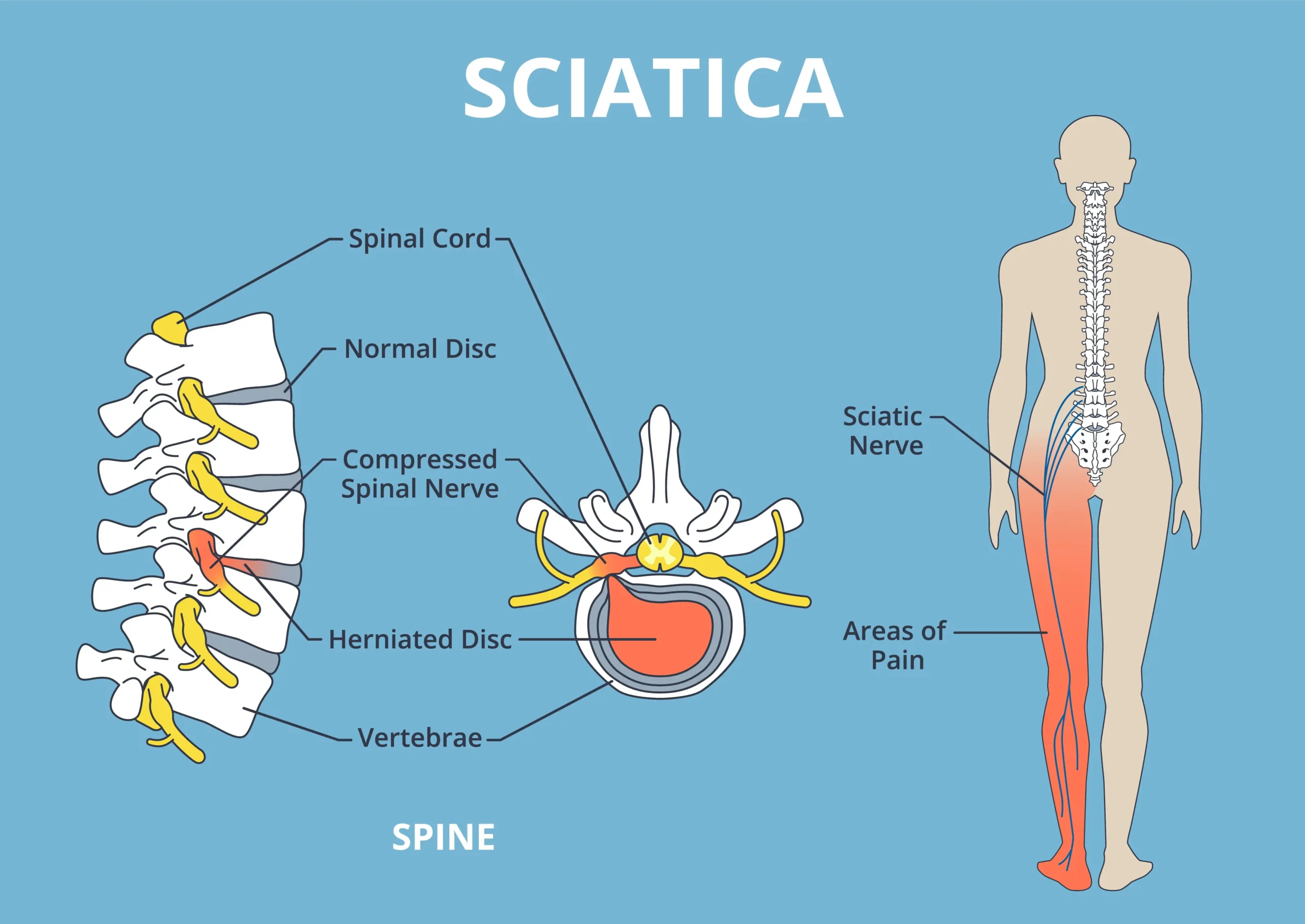
Sciatica refers to pain caused by irritation, compression, or inflammation of the sciatic nerve, the largest nerve in the body. The sciatic nerve originates in the lower back and travels through the hips, buttocks, and down each leg.
When this nerve becomes irritated, it can produce symptoms that extend far beyond the lower back.
Unlike general back pain, sciatica often follows a distinct pathway along the nerve, creating symptoms that radiate into the leg and foot.
How Can a Car Accident Cause Sciatica?
During a collision, the force of impact can place tremendous stress on the spine and surrounding tissues. Even relatively low-speed accidents can cause injuries that affect the sciatic nerve.
Common accident-related causes of sciatica include:
- Herniated or bulging discs
- Spinal misalignment
- Pelvic injuries
- Muscle inflammation
- Soft tissue injuries
- Nerve compression caused by swelling
Rear-end collisions are particularly common causes because the sudden force can cause the spine to move beyond its normal range of motion.
In some cases, symptoms begin immediately. In others, inflammation gradually develops over several days, leading to delayed pain and discomfort.
Symptoms of Sciatica You Shouldn’t Ignore
Many people expect sciatica to feel like simple back pain, but the symptoms are often much more specific.
Common signs include:
Pain That Travels Down One Leg
Sciatic pain often starts in the lower back or buttock and radiates down one leg. The pain may extend into the calf or foot.
Burning or Shooting Pain
Many patients describe sciatica as a sharp, burning, electric, or shooting sensation rather than a dull ache.
Numbness or Tingling
Pins-and-needles sensations in the leg, foot, or toes can indicate nerve involvement.
Muscle Weakness
You may notice difficulty lifting your foot, climbing stairs, or standing for long periods.
Pain That Worsens When Sitting
Extended sitting often places additional pressure on the sciatic nerve, making symptoms more noticeable.
Symptoms That Appear Days Later
Delayed symptoms are extremely common after car accidents. Adrenaline and inflammation can mask injuries initially, causing symptoms to emerge hours or days after the crash.
Why You Should Seek Treatment Early
Ignoring sciatic pain after an accident can lead to ongoing nerve irritation and chronic pain.
Without proper treatment, sciatica may result in:
- Persistent lower back pain
- Reduced mobility
- Difficulty walking
- Chronic nerve pain
- Ongoing weakness
- Decreased quality of life
The sooner an underlying injury is identified, the better the chances of preventing long-term complications.
Treatment Options for Post-Accident Sciatica
Because sciatica is often caused by an underlying injury, successful treatment focuses on addressing the source of the problem rather than simply masking symptoms.
At Xcell Injury Care, treatment plans may include:
- Chiropractic care
- Physical rehabilitation
- Therapeutic exercises
- Stretching programs
- Functional movement training
- Non-surgical pain management therapies
Our goal is to reduce nerve irritation, restore mobility, and help patients return to their normal activities as safely as possible.
Frequently Asked Questions About Sciatica After a Car Accident
Can a car accident cause sciatica?
Yes. The force of a collision can injure the spine, discs, muscles, and surrounding tissues, leading to sciatic nerve irritation.
How soon can sciatica start after an accident?
Symptoms may appear immediately or develop gradually over several days as inflammation increases.
Is sciatica permanent?
Not necessarily. Many patients improve significantly with early diagnosis and appropriate treatment.
What does sciatica feel like?
Sciatica often causes radiating pain, burning sensations, numbness, tingling, or weakness that travels from the lower back into the leg.
Should I seek treatment if the pain is mild?
Yes. Mild symptoms can become more severe if the underlying injury is not addressed.
Can sciatica occur without back pain?
Yes. Some patients primarily experience symptoms in the buttock, leg, or foot with little or no lower back discomfort.
Don’t Ignore Sciatic Pain After a Car Accident
If you are experiencing pain, numbness, tingling, or weakness after a car accident, it may be more than ordinary soreness. Sciatica can significantly impact your daily activities if left untreated.
The team at Xcell Injury Care provides comprehensive, non-surgical care for accident-related injuries throughout Northeast Ohio. Early evaluation and treatment can help identify the source of your symptoms and put you on the path toward recovery.