National Work Zone Awareness Week: How to Avoid Accidents
National Work Zone Awareness Week (April 20–24): How to Avoid Accidents
Every spring, road construction ramps up across Ohio—and so does the risk of serious car accidents.
National Work Zone Awareness Week (April 20–24) is a reminder that construction zones are some of the most dangerous places for drivers, passengers, and workers alike. In Northeast Ohio, where warmer weather brings a surge of roadwork, these risks are even more pronounced.
At Xcell Injury Care in Elyria, we frequently treat patients injured in work zone accidents—many of which could have been prevented with better awareness and safer driving habits.
🚧 Why Work Zones Are So Dangerous
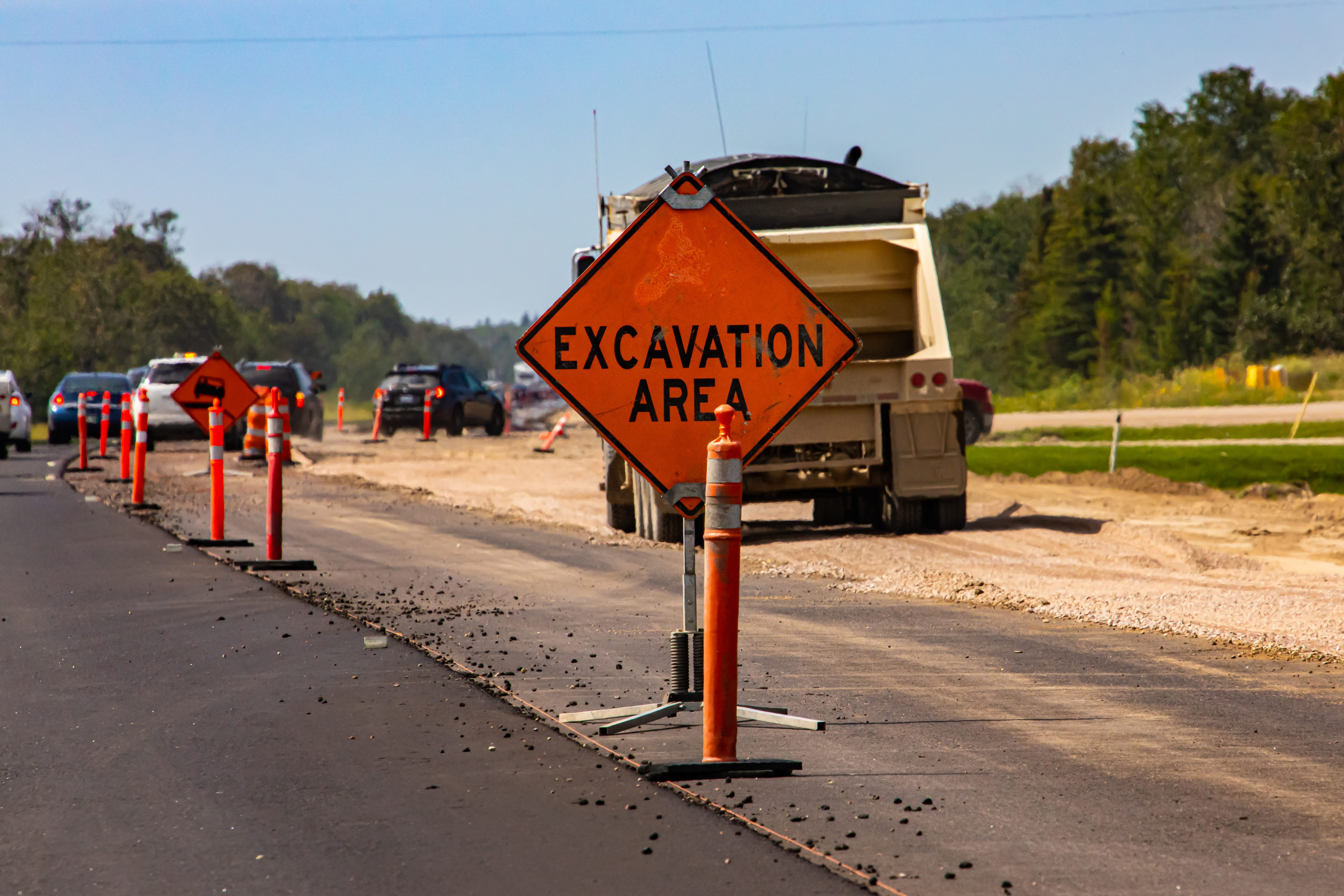
Construction zones create constantly changing driving conditions that require quick reactions and full attention. Common hazards include:
- Sudden lane shifts or closures
- Narrow driving lanes
- Reduced speed limits
- Uneven pavement or debris
- Construction vehicles entering and exiting traffic
- Workers near active traffic lanes
When drivers fail to adjust—or are distracted—the results can be serious.
⚠️ Common Causes of Work Zone Accidents
Most construction zone accidents are caused by driver behavior, not the construction itself. The most common causes include:
- Speeding through reduced speed zones
- Distracted driving (texting, GPS, eating)
- Following too closely in stop-and-go traffic
- Sudden braking or lane changes
- Failure to obey signage or flaggers
Even a moment of inattention can lead to rear-end collisions, sideswipes, or multi-vehicle accidents.
💥 Common Injuries from Construction Zone Crashes
Because traffic patterns are tighter and reaction time is limited, work zone accidents often result in significant injuries, including:
- Whiplash and neck injuries
- Back injuries and herniated discs
- Shoulder and joint injuries
- Concussions and head injuries
- Soft tissue damage
These injuries may not always be immediately obvious. Adrenaline can mask pain, causing symptoms to appear hours or even days later.
🧠 The Risk of Delayed Symptoms
One of the most important things to understand after any car accident is that injuries are often delayed.
You may feel fine at first, only to notice:
- Neck stiffness the next morning
- Lower back pain within a few days
- Headaches, dizziness, or fatigue within 24–72 hours
Ignoring these symptoms can lead to chronic pain and long-term complications.
🚗 How to Avoid Construction Zone Accidents
The good news is that most work zone accidents are preventable. Here are a few key safety tips:
✔ Slow Down
Always follow posted speed limits in construction zones. Reduced speeds are there to protect both drivers and workers.
✔ Stay Alert
Put your phone away and avoid distractions. Work zones require your full attention.
✔ Maintain Safe Distance
Leave extra space between you and the vehicle ahead, especially in stop-and-go traffic.
✔ Follow Signs and Flaggers
Construction signage and workers directing traffic are there for your safety—pay attention and follow instructions.
✔ Expect the Unexpected
Be prepared for sudden stops, lane shifts, or vehicles entering the roadway.
🏥 Why Early Treatment Matters After an Accident
If you’ve been involved in a construction zone accident, seeking care right away is critical.
Early treatment can:
- Reduce pain and inflammation
- Improve mobility and function
- Prevent long-term damage
- Speed up recovery
At Xcell Injury Care, we specialize in treating car accident and work-related injuries with an integrated approach that includes chiropractic care, medical evaluations, rehabilitation, and on-site imaging.
We focus on identifying the root cause of your injury so you can heal properly—not just temporarily relieve symptoms.
📍 Get Help at Xcell Injury Care
If you’ve been injured in a construction zone accident, Xcell Injury Care in Elyria is here to help you recover quickly and safely.
Our team understands the unique nature of accident injuries and provides personalized care to get you back to your normal routine.
👉 Schedule your free consultation today and take control of your recovery.